nutritioncalories
Mastering Hearty Meals: Your Guide to Mindful Eating with a Photo Calorie Counter
6 min read
Nommie Team

The aroma of sizzling starters, the promise of a shared bite before the main course – restaurant appetizers hold a special place in the dining experience. They're often seen as a delightful prelude, a way to socialize and kick off a meal with friends or family. However, beneath their tempting appeal, many popular chain restaurant appetizers harbor a surprising secret: they can be significant calorie bombs, loaded with unhealthy fats, sodium, and refined carbohydrates.
Understanding what's truly on your plate is the first step toward making informed choices that align with your healthy eating and weight loss goals. Let's explore why these seemingly innocent starters can derail your diet and, more importantly, how you can enjoy dining out without sacrificing your nutritional progress.
It's no secret that restaurant food often differs nutritionally from home-cooked meals. Portions tend to be larger, and ingredients are often richer to enhance flavor. Appetizers, in particular, are designed to be craveable, often relying on deep-frying, creamy sauces, generous cheese, and high-sugar glazes.
A recent article from Eat This Not That highlighted some of the unhealthiest chain restaurant appetizers in the USA, revealing just how quickly these starters can add up. We're talking about items that can pack more calories, fat, and sodium than an entire main course, sometimes exceeding a significant portion of an average person's daily recommended intake in a single dish.
Why are they so potent?
The challenge isn't just the sheer number of calories, but also the lack of awareness. Without readily available nutritional information for every dish at every restaurant, it's easy to underestimate the impact of these choices on your overall diet and calorie goals.
Eating out is a social pleasure, and it doesn't have to mean abandoning your healthy eating habits. With a bit of planning and mindful decision-making, you can enjoy restaurant meals, including appetizers, while staying on track with your nutrition and weight loss journey.
One of the most effective strategies is to do your homework.
Once you're at the restaurant, apply these practical tips:
Remember that your diet isn't defined by a single meal, but by your overall eating patterns. If you indulge in a richer appetizer, consider how you can balance it out for the rest of the day or week.
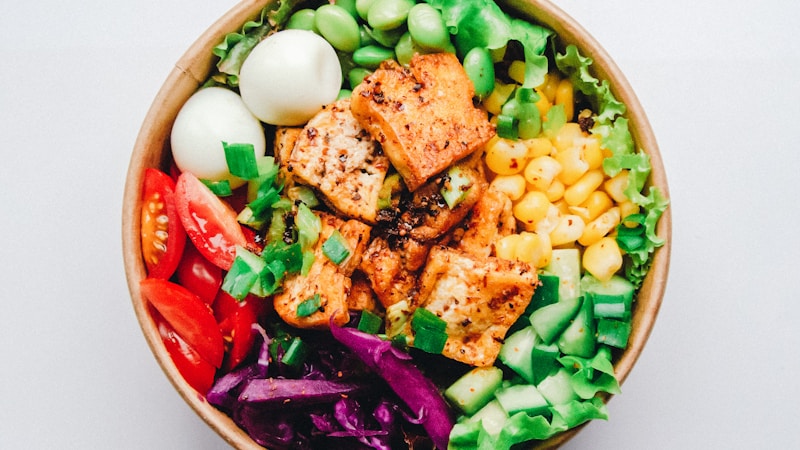
Understanding the nutritional content of restaurant appetizers is just one piece of the puzzle. Cultivating mindful eating habits generally involves a broader awareness of what you eat, when you eat, and why you eat. This is where consistent food tracking and meal planning become incredibly valuable tools for your diet and weight loss journey.
One of the biggest hurdles when trying to eat healthily at restaurants, especially smaller establishments or when ordering modified dishes, is the lack of precise nutritional data. How do you accurately track calories, fat, or sodium when the information isn't readily provided? This is a common challenge for anyone serious about their nutrition and weight loss.
This is where advanced food tracking tools, particularly those powered by artificial intelligence, can make a significant difference. While no tool can read the chef's mind, AI can leverage vast databases and sophisticated algorithms to provide highly accurate estimates for common restaurant dishes, even when exact figures aren't published. It can help you log your food quickly and precisely, even from photos, and adjust for modifications you've made. This ensures your food tracking remains consistent and reliable, giving you a clearer picture of your daily intake and helping you stay within your calorie and macro targets.
Navigating the tempting world of restaurant appetizers doesn't have to be a guessing game that derails your healthy eating goals. By arming yourself with knowledge, employing smart ordering strategies, and utilizing modern tools for food tracking and meal planning, you can enjoy dining out while still making progress towards your nutrition and weight loss aspirations.
Kindly Robotics' Nommie AI calorie counter and nutrition tracker is designed to simplify this process. With Nommie, you can effortlessly log meals, get accurate nutritional insights, and keep track of your daily calories and macros, even when enjoying a meal out. Its AI capabilities help you understand your food choices, making healthy eating and personalized meal planning more accessible and effective for everyone.
Share this post
6 min read
6 min read
7 min read