nutritioncalories
Decoding Diner Breakfasts: Comfort, Calories, and Your Food Photo Diary App
6 min read
Nommie Team
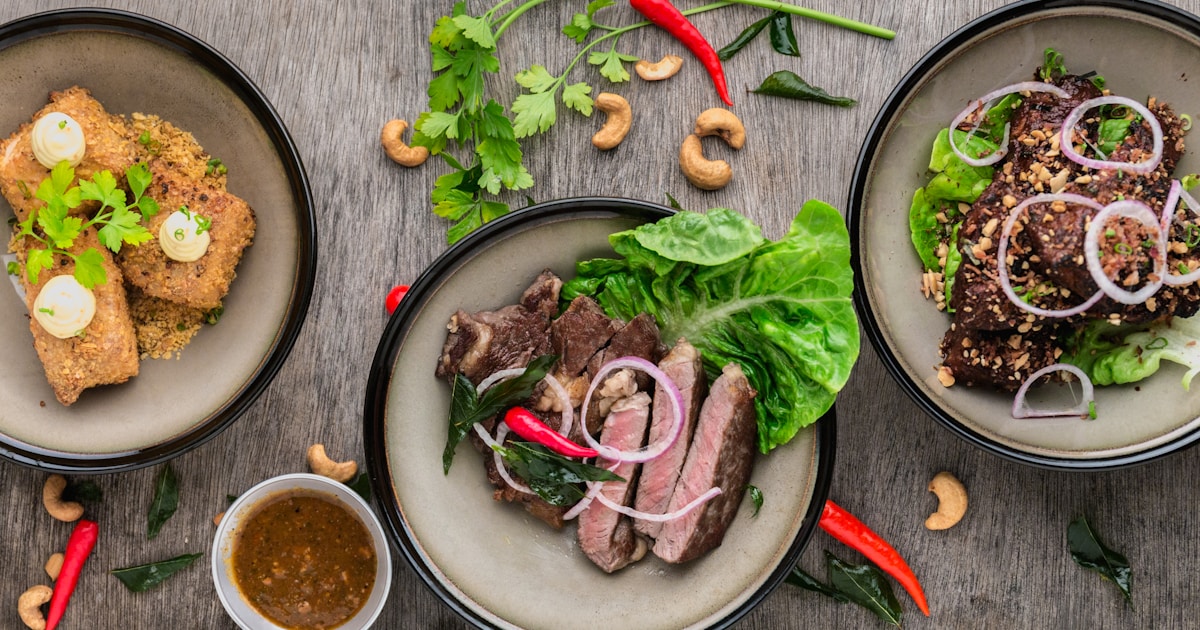
The aroma of a classic comfort dish like chicken and noodles can evoke feelings of warmth, nostalgia, and pure satisfaction. Recently, an article highlighted some restaurant chains praised by diners for their take on this beloved meal, reminding us of its enduring appeal. While there’s undeniable joy in savoring such dishes, it also brings up a common challenge for anyone trying to maintain a balanced diet: how do you enjoy these rich, often calorie-dense meals without derailing your health goals?
It’s easy to assume that a simple, home-style dish like chicken and noodles is inherently "light" or "healthy." However, restaurant versions, while delicious, can pack a surprising amount of calories, fats, and sodium. Understanding this distinction and having the right tools to navigate your choices is key to enjoying your favorite comfort foods mindfully.
Comfort foods hold a special place in our hearts and on our plates. They’re often linked to positive memories, provide a sense of security, and can be incredibly satisfying. Chicken and noodles, whether in a creamy sauce or a hearty broth, fits this description perfectly. It’s the kind of meal many turn to after a long day or when seeking a taste of home.
However, the very elements that make these dishes so comforting—rich sauces, generous portions, and often hidden fats—are also what can make them calorie bombs. When a restaurant prepares a dish, the focus is often on flavor and customer satisfaction, which can mean liberal use of butter, cream, and larger serving sizes than one might prepare at home. This isn't to say these foods are "bad," but rather that awareness is crucial. Without it, even seemingly innocent choices can lead to a significant caloric surplus over time.
Eating out is a social pleasure, and it shouldn't feel like a minefield. The goal isn't to avoid all comfort foods, but to make informed decisions. Here are a few strategies:
Even with the best intentions, accurately estimating the nutritional content of a restaurant meal can be incredibly difficult. How much oil was used? What's the exact ratio of chicken to noodles to sauce? Our eyes and brains are notoriously poor at guesstimating these figures, especially when we're enjoying ourselves in a social setting. This is where traditional methods of calorie tracking often fall short, leading to frustration and a feeling of being off-track despite efforts.
This difficulty is precisely why many people seek out tools that simplify the process. Imagine being able to quickly and accurately log your meal without interrupting your dining experience or needing to be a nutrition expert.

The good news is that technology has made significant strides in simplifying nutrition tracking. Gone are the days of meticulously weighing every ingredient or poring over dense nutritional tables. Modern solutions leverage advanced capabilities to make the process intuitive and efficient.
For instance, an AI food recognition app can take the guesswork out of logging meals. Instead of searching through databases for "chicken and noodles" and trying to match it to a generic entry, you can simply snap a picture. The app then uses artificial intelligence to identify the food, estimate portion sizes, and provide a detailed breakdown of calories and macros. This level of convenience and accuracy is a game-changer for anyone who finds traditional tracking methods cumbersome.
Think of it as a food photo diary app that not only records what you eat but also provides instant nutritional feedback. This visual log can be incredibly motivating, helping you see patterns in your eating habits and make adjustments in real-time. It transforms tracking from a chore into an insightful part of your day, empowering you to make choices that align with your health goals, even when enjoying a comforting restaurant meal. This is a significant step up from older methods, making it a powerful photo calorie counter for the modern eater.
While calories are a crucial component of weight management, a holistic approach to health also considers macronutrients (protein, carbs, fats) and micronutrients. An effective tracking tool doesn't just give you a number; it helps you understand the composition of your meals. Are you getting enough protein? Is your fat intake within a healthy range? By providing this deeper insight, you can move beyond just "eating less" to "eating better."
Understanding the nutritional impact of your favorite comfort foods, like those beloved chicken and noodles dishes, doesn't mean you have to give them up. It means you can enjoy them with greater awareness and control. Tools that simplify this process, like a photo calorie counter or an AI food recognition app, empower you to make informed decisions, ensuring that your comfort food moments align with your overall health and wellness journey.
Kindly Robotics' Nommie is designed to be your intelligent partner in this journey. By simply taking a picture of your meal, Nommie provides instant calorie and macro breakdowns, making it easier than ever to track your intake and stay accountable to your health goals, even when enjoying your favorite restaurant comfort foods.
SOURCES: 5 Restaurant Chains With the Best Chicken and Noodles, According to Diners
Share this post