nutritioncalories
Behind the Scenes: How Your Photo Calorie Counter Handles Complex Meals
7 min read
Nommie Team

Dining out can be one of life’s simple pleasures, a chance to relax, socialize, and enjoy expertly prepared food. However, for those mindful of their nutrition, restaurant menus can sometimes feel like a minefield. Rich sauces, oversized portions, and hidden ingredients can quickly derail even the best intentions. But it doesn’t have to be that way. With a little knowledge and a strategic approach, you can enjoy dining out while staying on track with your health goals.
One excellent example of a smart restaurant choice is steamed mussels. Often found on appetizer menus, mussels are naturally lean, packed with protein, and rich in essential nutrients like iron, selenium, and B vitamins. When steamed, they retain their nutritional integrity without adding excessive fats or calories. This simple dish highlights a powerful principle: choosing lean proteins and opting for healthier preparation methods can make a significant difference in your overall meal.
This week, let’s focus on applying this insight to your dining experiences. The goal isn't to avoid restaurants entirely, but to empower you to make informed decisions that support your well-being.
The lesson from steamed mussels extends far beyond shellfish. It’s about understanding how to navigate menus to find options that align with your nutritional goals. Here’s how you can apply this principle to a variety of restaurant settings:
Protein is crucial for satiety, muscle maintenance, and overall health. When scanning a menu, look for lean protein options as the centerpiece of your meal.
How your food is cooked can drastically alter its nutritional profile. A healthy ingredient can become less so if prepared with excessive fats or sugars.
Restaurant portions are notoriously large, often exceeding a single serving size. This is where mindful eating and strategic ordering come into play.
Often overlooked, what you drink can add significant calories. Stick to water, unsweetened tea, or sparkling water with lemon. Sugary sodas, elaborate cocktails, and even large glasses of juice can quickly add hundreds of empty calories.
Making these choices is the first step, but understanding their impact on your daily nutrition is where tracking comes in. It’s easy to underestimate calories or forget what you ate, especially when dining out. This is where a modern approach to food tracking can be incredibly helpful.
Instead of manually searching databases or guessing portion sizes, imagine simply taking a picture of your meal. A photo calorie counter can analyze your food, identify ingredients, and estimate calorie and macro counts with remarkable accuracy. This visual approach makes tracking less of a chore and more of an intuitive part of your day.
For instance, if you order grilled salmon with steamed asparagus and a side of quinoa, a quick snap of your phone could provide an instant breakdown. This immediate feedback helps reinforce good choices and makes you more aware of the nutritional density of different foods and preparation methods. It transforms abstract nutritional advice into concrete, actionable data you can use.
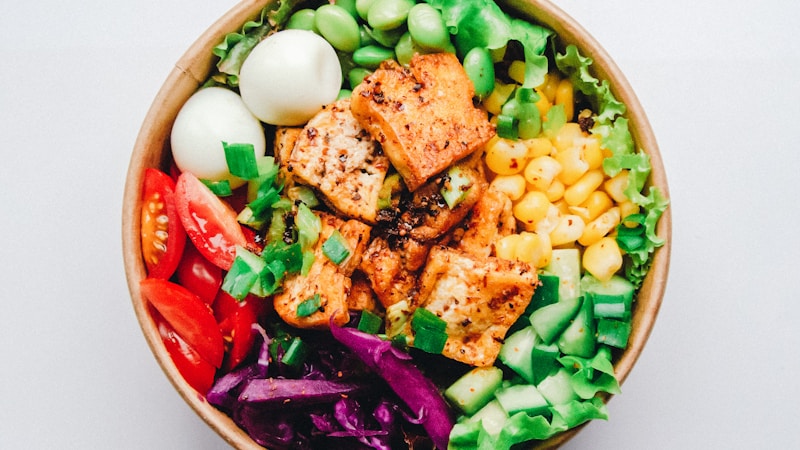
By adopting these strategies, you can continue to enjoy the pleasure of dining out while confidently pursuing your health and nutrition goals. It’s about making informed choices, not deprivation.
Understanding your nutritional intake, especially when navigating the complexities of restaurant menus, can feel daunting. That's why tools like Nommie, an AI food recognition app, are designed to simplify the process. By allowing you to log your meals with just a photo, it provides instant calorie and macro insights, helping you stay accountable and make smarter choices without the hassle of manual entry.
Sources:
Share this post