nutritioncalories
Beyond the Hype: What 'Best Soups' Lists Mean for Your Healthy Eating Goals
5 min read
Nommie Team
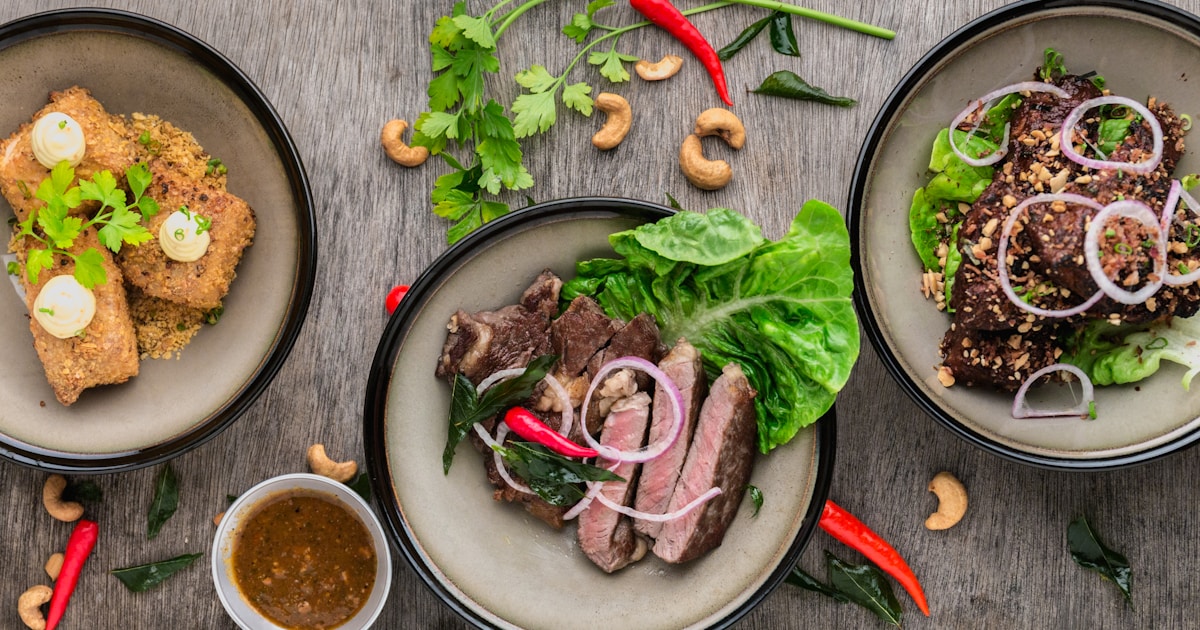
A recent New York Times article, "Inside the World of ‘Dark Nutrition’," highlighted a growing movement of individuals rejecting conventional dietary advice in favor of highly unconventional eating patterns. This trend, dubbed "dark nutrition," encompasses everything from raw meat diets to extreme fasting protocols, often driven by a deep distrust of established nutritional science and food systems. While the article paints a vivid picture of this counter-cultural shift, it also raises important questions about how individuals can make informed choices about their health amidst a sea of conflicting information.
For many, the allure of "dark nutrition" lies in its promise of radical health improvements and a return to more "natural" ways of eating. However, without a scientific basis or personalized guidance, such approaches can be risky. This is where the importance of accurate, accessible nutrition tracking comes into play, offering a grounded alternative to speculative dietary experiments.
The rise of "dark nutrition" isn't happening in a vacuum. It reflects a broader societal skepticism towards institutions and a desire for individual autonomy, especially concerning health. People are increasingly seeking alternatives when they feel traditional advice hasn't served them well. The internet provides a platform for these ideas to spread rapidly, often amplified by charismatic figures promoting anecdotal success stories.
However, the danger lies in the lack of scientific rigor. Many "dark nutrition" practices lack evidence-based support and can lead to nutrient deficiencies, digestive issues, or other health complications. The human body is complex, and what works for one person might be detrimental to another. This underscores the need for a personalized approach to nutrition, one that considers individual needs, goals, and health status.
When people reject established nutritional guidelines, they often fall prey to common pitfalls:
Navigating this landscape requires a tool that empowers individuals to understand their own bodies and dietary intake without relying on fads or unverified claims.
In an era where dietary information is abundant but often contradictory, tools that provide objective data about your eating habits are invaluable. This is where an AI food recognition app like nommie truly shines. Instead of blindly following trends, you can gain concrete insights into your personal nutrition.
Imagine simply taking a picture of your meal and instantly getting a breakdown of its caloric content and macronutrients. This is the power of a photo calorie counter. It removes the guesswork and tedious manual entry often associated with traditional food tracking. For anyone looking for a myfitnesspal alternative or a lose it alternative that simplifies the process, this technology is a significant step forward.
Understanding your caloric intake and macronutrient distribution is fundamental to achieving any health goal, whether it's weight management, muscle gain, or simply maintaining a balanced diet. An AI calorie counter that uses advanced image recognition simplifies this process, making it accessible and less time-consuming. This kind of technology empowers you to take control of your nutrition with objective data, rather than relying on the often-conflicting advice found in the "dark nutrition" sphere.
At Nommie, we believe that understanding your nutrition shouldn't be a chore. Our AI-powered app makes tracking your meals as simple as taking a picture, providing instant insights into your caloric intake and macronutrients. This approach helps you cut through the noise of dietary fads and focus on what truly matters: your personal health journey.
Sources:
Share this post