nutritioncalories
Beyond the Can: How Nommie Tackles Accurate Photo Calorie Counter for Packaged Foods
6 min read
Nommie Team
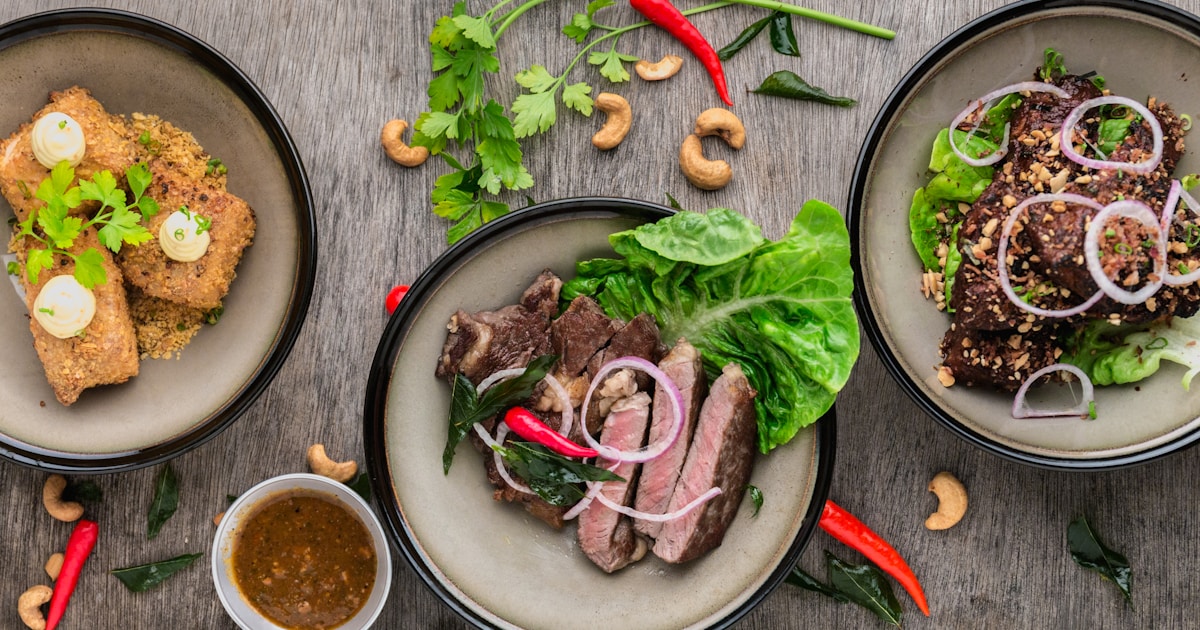
We all know the rush of a busy morning. Sometimes, there’s simply no time to whip up a gourmet breakfast at home. That’s where fast food breakfast swoops in, offering a quick, convenient, and often delicious solution. Recently, Eat This Not That highlighted an interesting perspective, polling chefs on their top five fast-food breakfast menus. The results showcased chains known for their consistency, flavor, and value – qualities that certainly appeal when you're on the go.
But while chefs might prioritize taste and efficiency, what does this mean for those of us trying to maintain a balanced diet or manage our weight? The convenience of a drive-thru breakfast is undeniable, but it often comes with a hidden cost to our nutritional goals. Understanding how to navigate these options without derailing your progress is key, and that's where smart tracking tools can make all the difference.
Fast food breakfast holds a special place in many people's routines. It's quick, accessible, and often provides that comforting start to the day, whether it's a warm biscuit sandwich or a hearty breakfast burrito. For chefs, the "best" often comes down to consistent quality, innovative menu items, and overall customer satisfaction. They're evaluating the culinary experience.
However, for the everyday eater focused on health, the picture is a bit more complex. While a chef might praise the rich flavor of a sausage, egg, and cheese biscuit, a nutritionist might point to its high saturated fat and sodium content. The convenience factor, while a lifesaver on hectic mornings, can easily lead to overlooking the nutritional impact of these meals. Many fast-food breakfast items are surprisingly high in calories, unhealthy fats, added sugars, and sodium, often lacking in essential fiber and micronutrients. This isn't to say they should be avoided entirely, but rather approached with awareness.
When an article declares certain fast-food breakfasts as "best," it's crucial to consider the criteria. For chefs, it's about taste, texture, and execution. For your personal health journey, "best" means something entirely different. It means options that align with your caloric needs, macronutrient targets, and overall dietary goals.
A seemingly innocent breakfast sandwich can pack hundreds of calories, often exceeding what many people allocate for a single meal, especially if they're aiming for weight management. Sugary coffee drinks, often paired with breakfast, can add hundreds more calories and a significant amount of added sugar without much satiety. The challenge isn't just identifying "good" or "bad" foods, but understanding how any food fits into your daily intake. Without this awareness, even seemingly "healthier" fast-food choices, like an oatmeal with all the fixings, can quickly become a calorie bomb.
So, how can you enjoy the occasional fast-food breakfast without completely derailing your efforts? It starts with informed choices and mindful consumption.
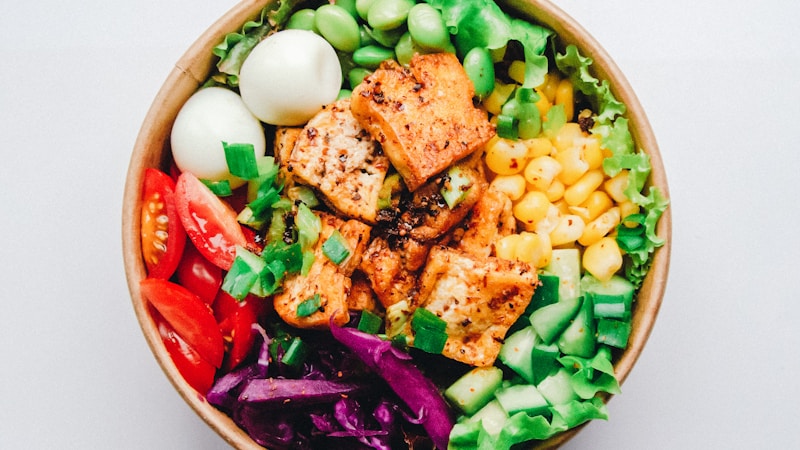
Even with the best intentions, consistently tracking your food intake can be a hurdle, especially when dealing with the variable nature of fast food. Manually logging every ingredient, estimating portion sizes, or trying to remember what you ate hours later can be tedious and prone to error. This is where many traditional methods of calorie counting and food journaling fall short.
The sheer effort required can lead to inconsistency, frustration, and ultimately, giving up on tracking altogether. When you're rushing to work, the last thing you want to do is spend precious minutes deciphering a nutrition label or manually inputting every component of your breakfast burrito into an app. This friction often leads to a lack of accurate data, making it hard to truly understand your eating patterns and make informed adjustments.
This is precisely where technology steps in to simplify the process. Imagine being able to accurately log your fast-food breakfast in seconds, without the guesswork or the hassle. An AI food recognition app makes this possible. Instead of manual entry, you simply take a picture of your meal. A sophisticated photo calorie counter then uses calorie counter image recognition to identify the food items and estimate their nutritional content.
This approach transforms food tracking from a chore into a seamless part of your day. For anyone looking for a more intuitive and less time-consuming way to monitor their diet, a food photo diary app offers a compelling solution. It's an excellent myfitnesspal alternative or lose it alternative for those who prefer visual logging, and a significant upgrade from basic photo based food tracking methods. When you're curious about an AI calorie tracker reddit discussions often highlight the ease and accuracy of these modern tools. With an app like nommie, you get instant insights into your meal, helping you stay accountable without adding stress to your busy mornings.

The occasional fast-food breakfast doesn't have to be a dietary disaster. By combining mindful choices with smart tracking, you can enjoy convenience without compromising your health goals.
Whether you're grabbing a quick coffee and pastry or a full breakfast sandwich, knowing exactly what you're consuming is the first step towards achieving your health and wellness objectives.
An AI calorie counter like Nommie helps bridge the gap between the convenience of fast food and the necessity of accurate nutrition tracking. By simply snapping a photo, you gain immediate insight into your meal's caloric and macronutrient breakdown, making it easier to stay on track with your health goals, even on the busiest of mornings.
Share this post
6 min read
6 min read
6 min read